If you have a chronic illness, you already know how much our energy can fluctuate throughout the day. Even if you don’t, we all have those days when our energy dips and we feel totally burned out. One minute you feel like a boss babe, and the next it’s like an elephant has kicked you. It’s frustrating, A.F., and can make it feel almost impossible to get through the day without feeling totally defeated, which is why building a few low-energy habits into your routine is so important
My energy levels have been unpredictable for as long as I can remember (and honestly, still are). In my true stubborn fashion, I tried my best to ignore what my body was actually telling me — girl, your tank is empty — and instead push through! Shock horror, that didn’t go well. I fully crashed, wiped out every ounce of energy my body had left, and pushed myself straight into the flare of all flares.
Why Low-Energy Habits Matter
I suppose you’re thinking this is the part where I say I learned my lesson and stopped pushing myself, right? Nope. You’re wrong! I kept doing it, over and over again. But wait — don’t leave yet — I did eventually take the giant hint disguised as crippling pain and fatigue, and figured out better ways to handle the tougher days.
And no, it’s nothing revolutionary. You’ve probably heard the term before. Drum roll, please… I decided to adopt low-energy habits.
And no, that isn’t a fancy way of saying “be lazy.” In all honesty, these are acts of self-care — especially if you’re living with a chronic illness and dealing with flare-ups.
Low-energy habits can be the difference between feeling totally burnt out and getting through the day with a little more grace.
What Are Low-Energy Habits?
Now, if you’ve never heard the term before, you’re probably reading and thinking, what on earth is this woman on about? Ok, I’ll get to the point.
Low-energy habits are basically small habits that require little effort. And you can apply them to pretty much anything – self-care, chores, work… anything. They’re a way to meet yourself where you are.
So on tough days, when getting anything done feels painful or like a huge chore, you still can — but in your own gentle-girl-energy type of way.
Here are the low-energy habits that helped (and still help me) cope on tough days, and honestly, they’re not just for women with chronic illness. Any woman who’s juggling life, stress, or just feeling totally wiped out can use these to make her day feel a little calmer and less overwhelming.
Low Energy Habits That’ll Save You When You’re Running on Empty
1. Have A ‘Uniform’ Or ‘Go-To’ Outfit
As much as I love clothes, on tougher days, the last thing I want to do is think about putting together an outfit. That’s why I have a few go-to outfit formulas that I can grab when I just can’t deal. You know those outfits that look good no matter what?
I love a cute co-ord — they’re simple, but still make you look put-together. It’s pretty much like putting on a school uniform (well, I did in the UK): no thought is required, just grab and go on days when thinking about what to wear feels tedious.
2. The Low-Energy Mornings
I’m getting a little better, but I’m (occasionally) still a serial alarm snoozer, which usually ends with me switching off my alarm completely, waking up late, and rushing to get ready for work.
What I’m now trying to do is have slower mornings. On the days I succeed, I notice such a difference.
Instead of rushing or immediately jumping into your morning routine, try getting up a little earlier (if you feel up to it). It can be five minutes or half an hour — just give yourself a few minutes to defrost before springing out of bed.
Do a quick audit of your body: How are your pain levels? Do you still feel tired? Are you dehydrated? Take a few deep breaths, or, like me, do a few rounds of box breathing.
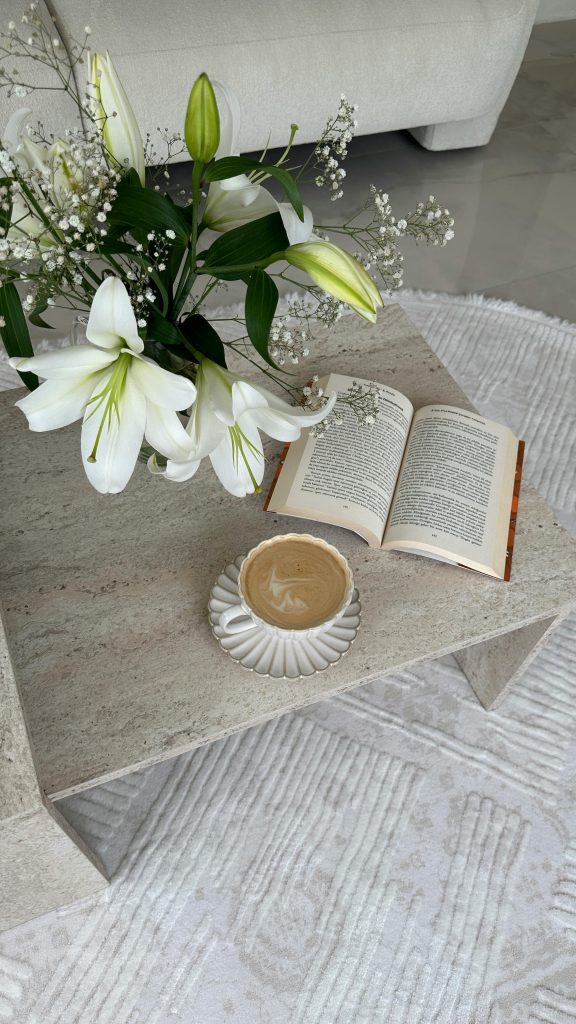
Then get up, make yourself a coffee, and sit for a few minutes without looking at your phone — just enjoy some quiet time. Now start your day. Trust me, you’ll notice a difference. You’ll feel calmer and ready to face the day ahead.
3. The ‘It’ll Work’ Meals
Food is a tough one for me. Sometimes, on bad days, I want to scoff down every edible thing in sight. Other days, I don’t even have the energy to think about cooking a meal, let alone preparing one.
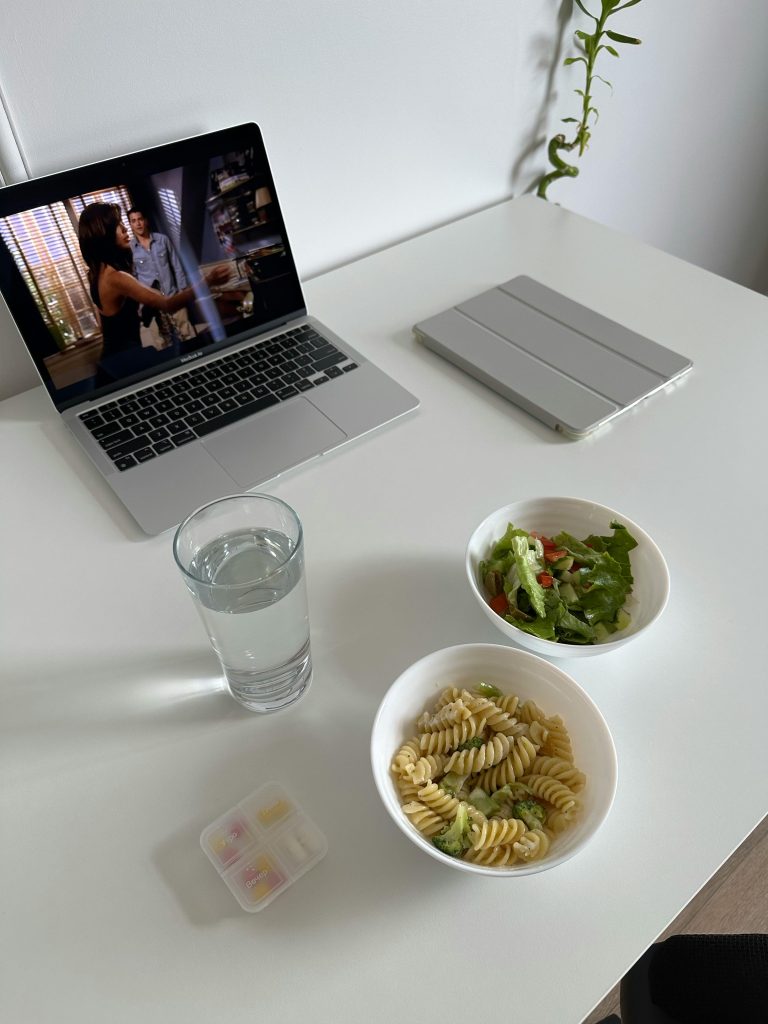
On those days, I have a list of a few ‘it’ll work’ meals that I can fall back on — ones that require minimal energy but still fuel my body.
Think simple: breakfast, leftovers, or even the odd takeaway if you can afford it.
Here are a few of my it’ll work meal ideas:
- Breakfast: A protein smoothie (just chuck it in your blender and you’re good to go!)
- Lunch: Air fryer ham and cheese toastie
- Dinner: Air fryer jacket potato with canned tuna and cheese
4. The Tiny Tidy
On bad days, I do not, I repeat, do not want to clean. But I know there are certain things I need to stay on top of to avoid my house smelling like a trash can.
Instead of worrying about a full deep clean, I do what I like to call a ‘tiny tidy.’ I like to do them at the end of the day and in the morning (if necessary).
I spend maybe five minutes putting things away — clearing my work desk, emptying the trash, or washing the dishes. This way, I don’t use too much energy, but also don’t feel overwhelmed by an untidy home.
I’m a bit of a clean freak, so clutter truly irks my soul and makes me feel discombobulated.
5. The Not-To-Do List
I am a recovering unattainable to-do list writer. I used to write lists of 10 million things and truly thought I could get everything done in one day. Not only was it ridiculous, but it also put so much pressure on me and made me feel awful when I didn’t tick everything off, particularly on tough flare days.
So now, especially on shitty days, I have a not-to-do list. I came across the concept in a post by Anne-Laure Le Cunff on Nesslabs, and I really liked the idea. I’ve found it super helpful and recommend everyone try it.
The not-to-do list is a list of things you will not do, no matter what. It allows you to identify things that aren’t serving you and figure out ways to eliminate them — anything draining, unhelpful, or a waste of time. You can create a not-to-do list for most areas of your life.
Think about all the things that drain energy, or bring you down. Those are the things to add to your list.
For example:
- I will not compare my life to others
- I will not skip meals or hydration
- I will not feel guilty for cancelling plans
- I will not try to do everything myself
- I will not ignore my pain or fatigue signals
Once your list is filled, you create space for the things you should be doing to care for yourself mentally and physically. It’s a great way to remind yourself that, on bad days, you are worthy and deserving of rest — without guilt.
6. The “Just One Thing” List
Following your not-to-do list, of course, there are still things you have to get done. Try to create a just one thing list. Limiting unavoidable tasks to just one thing per day — for example, an important appointment or meeting you can’t reschedule.
7. The No-Brainer Movement
Exercise can feel impossible on a bad day, but movement is medicine — even if it’s small. Dance to your favourite playlist, take your dog for a walk, do a few simple stretches, or follow a short YouTube workout (I love Grow With Jo). Any movement will help your body and boost your mood.
8. The Low-Energy Journal
Journaling has honestly been essential for me in both my darkest and happiest moments. On tough days, I often need an outlet to vent my frustrations. So, I always have a notebook nearby.
It can be a full-blown essay describing every feeling, a few journal prompts, or a place to jot down random thoughts, events, or words. It’s a great way to care for your mental well-being. You can do it in 5 minutes or 50 — it’s up to you.
If you’d like to start journaling, I highly recommend The Five Minute Journal. All you need is five minutes, and it helps you focus on gratitude and positivity with simple morning and evening prompts.
9. The Low-Energy Hobbies
If I’m having a tough day, whether due to chronic illness or just life, instead of doomscrolling or bed rotting, I try to lean into hobbies. Not only are they fun, but they’re also a great way to de-stress, improve mental health, and boost creativity.
If you’re unsure what hobby to pick up, think about things you used to enjoy as a child, or check out this list; you may find something that fits.
Over the past few months, I’ve been working on managing my anxiety in healthier ways. That’s how I rediscovered my love for colouring (yes, at my age). I remembered how much I loved it as a child and a few years ago.
This time, I upped the ante and went for fancier colouring books and markers rather than pencils — and I love it. I’ll admit, at first I felt a little silly — what is a 30+ woman doing colouring? But honestly, it’s fun and relaxing. It helps me to lessen my screen time, be present, and ease stress.
10. The Digi Cleanse
When was the last time you checked your screen time? I dare you — check it now. Was it concerning? Probably.
I did the same thing earlier this year, and my jaw dropped. How on earth was I spending so much time on my phone, alongside my 9–5, where I’m also staring at a screen all day? I had to fix it ASAP.
I set time limits on the apps where I spent the most time (yes, TikTok — it’s so addictive). Once that notification pops up, that’s it — I’ve reached my limit. If your screen time is too high, I highly recommend doing the same. Apps like Opal make it easy to set limits on your apps.
11. The Comfy Corner
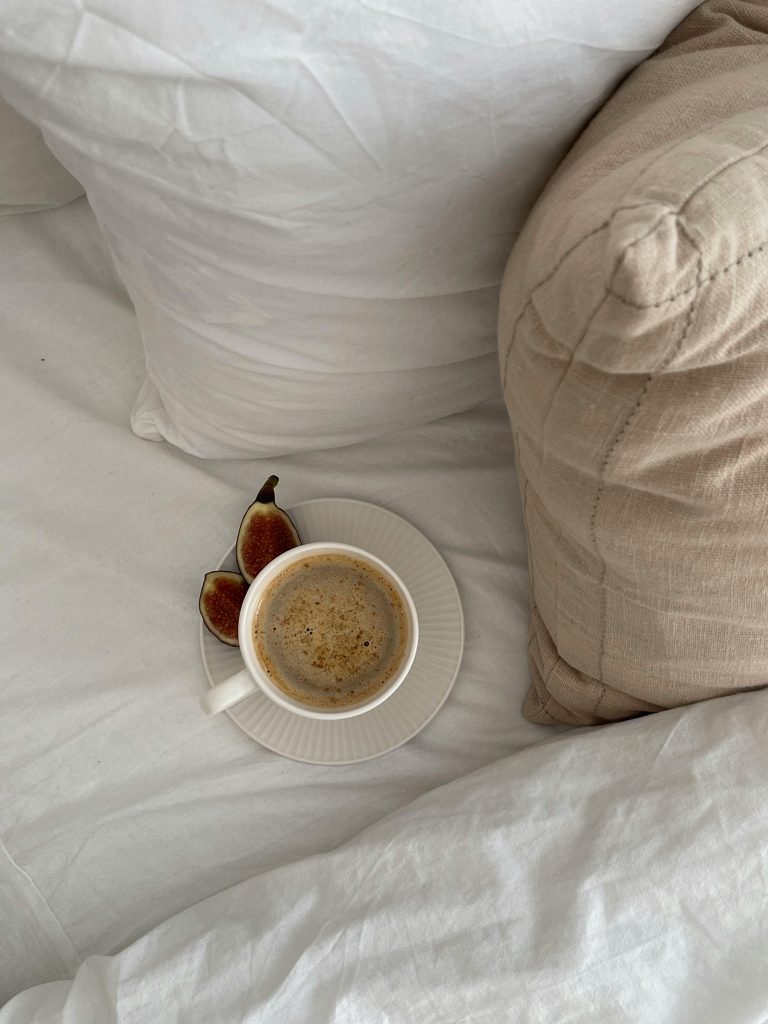
On crap days, sometimes all you need is a comfy space to relax, eat your favourite comfort food, and watch your comfort show or movie. Create a comfy corner — it doesn’t have to be a dedicated, immovable space. It can literally be a corner of your sofa.
Wrap yourself in a blanket, light a candle with a warm, relaxing scent, grab a few of your favourite treats, put on your comfort show, and just be.
Not only does it help your body rest, but it also signals to your brain that you’re safe, reducing stress levels.
12. The Guilt Free Zone
Sometimes we just need a moment to ourselves. If you’re having a tough day, don’t be afraid to cancel plans. Being around people when your social battery is on red is exhausting.
Whether it’s friends or family, don’t feel guilty — prioritise your wellbeing.

13. The Pomodoro Technique
If you’re working, whether at home or in an office, try the Pomodoro technique: 20 minutes of focused work, followed by a 5–10 minute break. It helps manage energy and prevents burnout. Sometimes the most productive thing you can do is schedule time for rest.
The Help Button
Last but not least, if you’re finding things harder than usual or tough days are becoming frequent, don’t be afraid to speak up and ask for help. Whether it’s from friends, family, your doctor, or a therapist, do not suffer in silence.
I hope these low-energy habits helped! Got any others you swear by? Drop them in the comments. I need all the hacks I can get!
Pin to Read Later